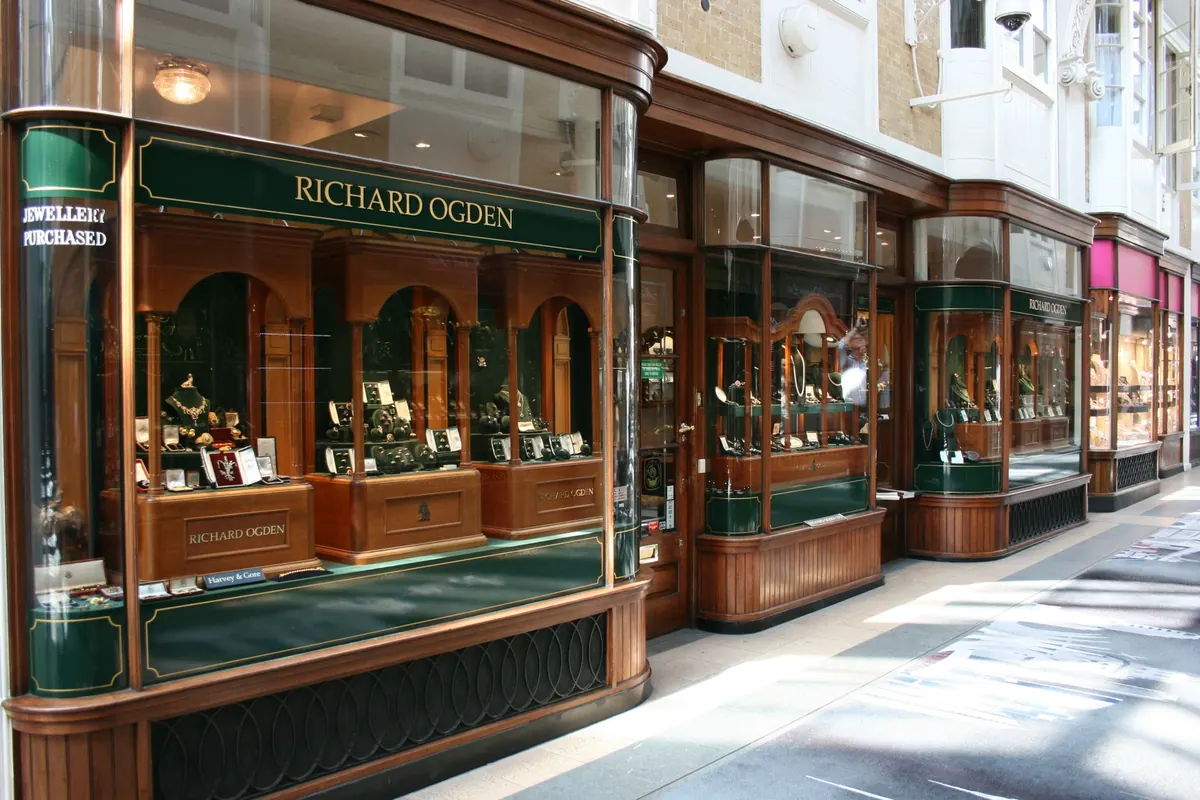
Walk through Bury town centre on a Tuesday afternoon and you can feel the shape of the problem. A handful of units sit boarded or papered over. A couple more are running as short-term pop-ups that nobody has quite got round to signing. The market is still doing what it has always done, and doing it well. And another coffee shop has opened, with a chalkboard outside and a queue of four at eleven in the morning.
Nobody is against coffee. A decent cup and a seat by the window is part of what makes a town centre worth walking into. But when the same formula turns up four or five times within a few hundred yards, it stops being variety and starts being wallpaper. Bury does not need another coffee shop half as much as it needs reasons to be in town at six in the evening, and reasons for the people who don't drink coffee at all.
Coffee shops are low-risk tenants. They are well understood, they fit standard units, and they can be opened by someone with a modest amount of capital and a good supplier. Landlords like them because they pay the rent. Councils like them because a unit with lights on looks better than a unit with a shutter down.
What they don't do is create a circuit. Most have similar opening hours, similar staffing levels, similar spend per head and similar reasons for people to come and go. Four coffee shops on one street don't multiply footfall. They divide the same morning trade between four operators and leave the afternoon and evening exactly as empty as before.
A high street works when people move between things. Coffee, then the market, then a browse, then something to eat. If every stop on the way is the same stop, there is no way to walk.
The healthiest town centres are not retail destinations. They are places where a lot of different things happen within walking distance of each other, at different times of day, for different people. A good mix usually includes some of the following:
None of these are glamorous. All of them create the thing that every strategy document talks about and few deliver: reasons to come back on a different day, at a different hour.
We talk about independent retail as though it were a matter of courage. Mostly it's a matter of arithmetic. A trader deciding whether to take a unit is weighing rent against realistic weekly takings, and the things that tip the decision are dull: the length of the lease, whether there's a break clause, who pays for the fit-out, how hard it is to get a delivery in, where staff can park, and whether business rates relief might apply to a small premises.
If you are negotiating a lease, or trying to work out what you can afford, take proper professional advice before you sign. That is not a disclaimer, it's the difference between a shop that opens and a shop that closes in eight months.
Most town centres empty out between five and six. That's a third of the day gone. The businesses that could fill it — restaurants, bars, a cinema, the theatre, late openings at the market, evening events on the heritage railway — all depend on the same two things: enough people, and a way for those people to get home.
Transport matters more than most regeneration conversations admit. If the last convenient bus or train leaves before the restaurant kitchens close, the evening economy can't grow, however many places open. Lighting, seating, and the simple question of whether a walk from the car park feels safe after dark matter just as much. Nobody plans a night out around a dimly lit cut-through.
You cannot build an evening economy on hope and signage. People need somewhere to go, something to do when they get there, and a straightforward way back.
Rooms above shops, a market stall for a day, a hall that a youth group can book for two hours on a Wednesday. These are the cheapest regeneration tools available and the first ones cut when budgets tighten. They also build the habit of coming into town — the thing that no marketing campaign can buy.
A teenager who uses a town centre every week at fifteen is a customer at twenty-five. Someone who has no reason to visit between the ages of fourteen and thirty is very hard to win back.
Next time a unit is filled, ask a few blunt questions. They work whether you're a landlord, a councillor or just someone who lives here.
Forget the masterplan for a moment. Pick a single stretch, choose one evening a month, and get four or five places to stay open later together — the market, an independent or two, the theatre, a bar. Sort the lighting and a few seats. Tell people it's happening. Then be honest about whether they came.
If it works, repeat it. If it doesn't, change one thing and try again. That is how a high street recovers: not with a grand opening, but with the slow, stubborn accumulation of reasons to turn up. Coffee can be one of them. It can't be all of them.
Photo: Pixabay / Pexels
Everything Bury voters need before polling day: registration deadlines, photo ID rules, postal and proxy votes, and...

A practical comparison of Bury's leisure centres, covering membership models, pool and class timetables, and when...

A practical guide to Bury's Christmas lights switch-on, covering road closures, transport, the best viewing spots,...

Local news and community stories from Bury.
