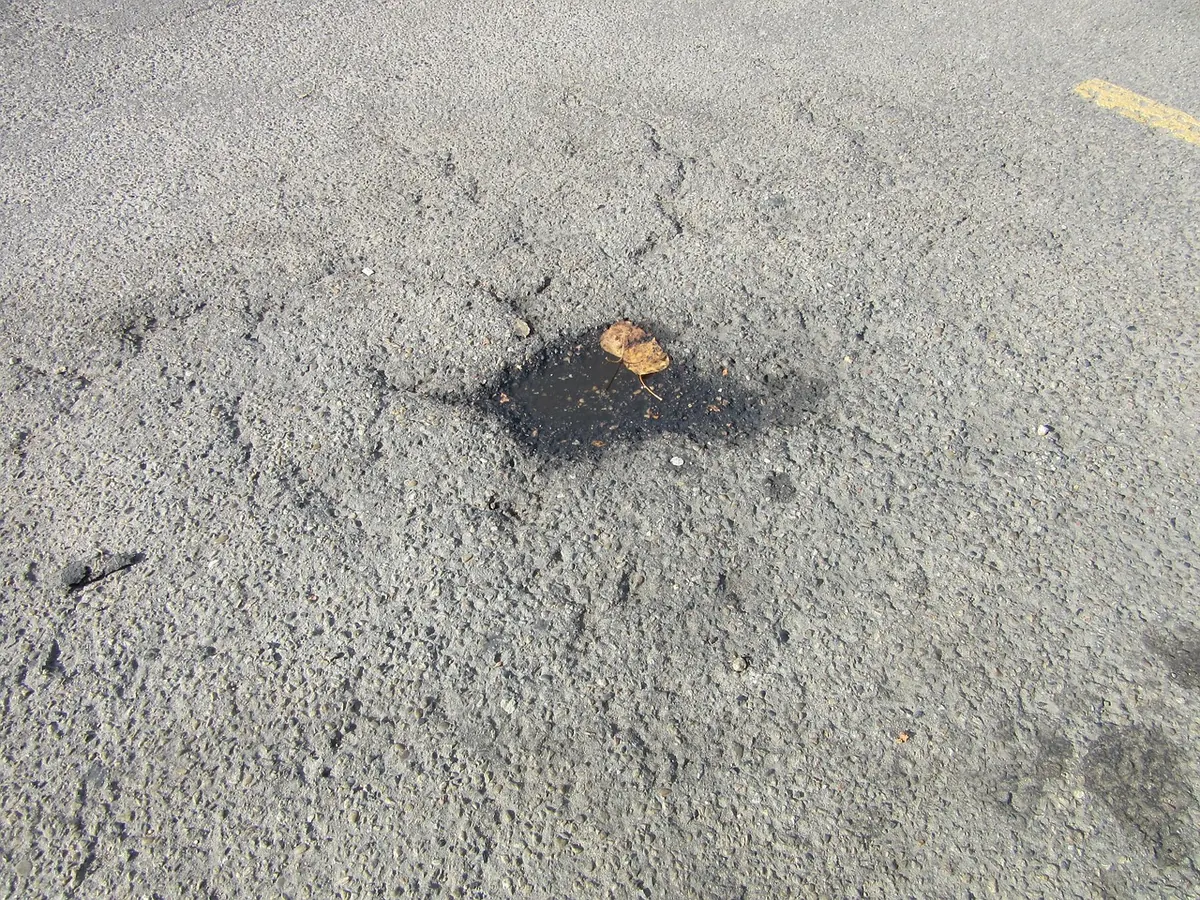
There are few things more irritating than the thump of a pothole under your front wheel — or the jolt you feel on a bike when you spot one too late. Bury's roads take a beating every winter. Water works into a crack, freezes, expands, and by the time the frost has cleared you have a hole where the surface used to be.
The good news is that reporting one works. Councils repair the defects they know about, and they cannot repair what nobody has told them about. A single well-written report can trigger an inspection, and an inspection can trigger a repair that saves a dozen tyres and a couple of broken wrists further down the road. Filing a report takes less time than making a brew, as long as you have the right details to hand. Here is how the process runs from start to finish.
Most of the streets you drive, cycle and walk on in the borough belong to Bury Council — residential roads, main local routes, pavements and cycle paths all sit with the authority's highways team. Not everything does, though.
Some of the busiest routes in Greater Manchester are managed through Transport for Greater Manchester's key route network, and motorways and major trunk roads fall to National Highways. If you are not sure who owns a particular stretch, don't let that stop you. Report it to the council anyway and say so; if it belongs to somebody else, the report usually gets passed on.
There is a third category worth knowing about: roads that were never adopted. Private service roads, back lanes, supermarket car parks and the access road behind a row of shops are often the landowner's problem, not the council's. Reports about these tend to bounce back with an apology, so if the street has no street lights, no kerbs and no name plate, that is a clue you may be dealing with unadopted land.
One quick reality check. A dip in the surface or a sunken drain cover is not always classed as a pothole. If water pools there after rain, or the edge of the road has crumbled away, describe it as it is rather than forcing it into the word "pothole". You will get a better response from an inspector who knows exactly what they are being sent to look at.
Two minutes with your phone camera and a note of the nearest lamp post is usually enough. If you are reporting on the way home from work in the dark, take the photo the next morning and file both together — a clear daylight shot beats a blurry night-time one every time.
Prefer not to use the website? Most councils also take reports by phone, and there is nothing wrong with a quick call if you would rather speak to a person. Either way, the reference number is the thing that turns your report from a complaint into a tracked job.
Your report lands in the highways team's queue and is usually triaged by severity. A hole in the middle of a busy junction, or anything deep enough to throw a cyclist, will normally be inspected quickly and may get a temporary patch within days. Smaller defects tend to be logged and folded into a programme of scheduled resurfacing work, which can mean weeks or months rather than hours.
It is worth knowing that not every defect meets the council's intervention level — the threshold at which a hole is deep or wide enough to justify a repair. Policies vary and are reviewed from time to time, so check the current version on the council's website if you want the precise figures. "Below intervention level" is a frustrating answer, but it is a real one, and it often means the defect is being monitored rather than ignored.
Report it, photograph it, note the reference. A pothole that nobody reports simply stays a pothole — and the next person along might not be as lucky as you were.
Give it a reasonable amount of time, then chase. Quote your reference number and ask, politely, what the current status is and when an inspection is due. If the answer is vague, you have options:
Report the defect first, then consider a claim. Keep everything: photographs of the damage, the pothole, the location, plus repair invoices or written quotes and any dashcam or helmet camera footage. Send the claim in writing to the council with your reference number attached.
Be realistic about the outcome. Councils have a statutory defence if they can show they had a reasonable system of inspection and repair in place and simply had not been told about the defect yet. That is exactly why your report matters — a logged report removes the excuse, and it strengthens the case for everyone who comes after you.
Potholes are not just a driving problem. Loose paving slabs, crumbling kerbs and cracked footway surfaces are trip hazards for older residents, parents with pushchairs and anyone with a visual impairment, and they are reported through the same system. Cycle lanes and shared paths count too — a rutted stretch of towpath or a sunken gully on a cycle route is well worth reporting, because those defects are often overlooked until somebody comes off.
Reporting a pothole in Bury is a five-minute job: check who owns the road, note the location and direction, grab a photo, submit the form and keep the reference. Do that and you have done your bit. Do it regularly and you will slowly notice the difference on your own street.
Photo: lsaueracker / Pixabay

Bury's town centre has plenty of coffee but too little variety. Real recovery needs independents, an evening economy...
Everything Bury voters need before polling day: registration deadlines, photo ID rules, postal and proxy votes, and...

A practical comparison of Bury's leisure centres, covering membership models, pool and class timetables, and when...

Local news and community stories from Bury.