
Bin day settles into muscle memory faster than almost any other household routine. You hear the lorry, you remember it is Tuesday, you sprint out in a dressing gown. Move the round and that quiet rhythm collapses — which is why a change to collections prompts more phone calls to the council than almost anything else.
If your collection day, your container line-up or the rules about what goes where have changed, the worst thing you can do is guess. A bin put out on the wrong day sits there for a fortnight, and a bin filled with the wrong things can be left behind with a sticker on the lid. Here is what to check, in the order that saves the most time.
Collection rounds get redrawn for fairly ordinary reasons: new housing, revised routes, changes to how crews and vehicles are scheduled. For most households the practical effect is one of three things — a different day, a different container emptied on that day, or a switch to alternating weeks where general waste and recycling take turns.
Collection times can shift too. If your street was usually done mid-morning, it may now be early afternoon, or the other way round. That matters more than people expect, because a bin put out at 9am on a day when the crew arrives at 7am will be missed.
One thing worth saying plainly: do not rely on what a neighbour tells you. Streets can be split across rounds, and two houses a few doors apart can genuinely have different days.
The council's online bin day finder is the only source that reflects your actual property. Work through it like this:
Old screenshots and last year's calendar cause most of the confusion in the first few weeks of a new schedule.
Recycling rules are stricter than many people assume, mainly because contaminated loads are expensive to sort. As a general guide:
Batteries, vapes, electrical items and nappies should never go in a recycling container. Batteries in particular cause fires in collection vehicles and at waste sites — take them to a supermarket collection point or the household waste recycling centre.
Your calendar is the authority on your address, not the neighbour's memory.
Most missed collections are not really missed. Crews will not lift a bin if the lid will not close, if there is side waste stacked next to it, or if it is too heavy to move safely. If your bin is left with a tag or sticker, read it before you ring anyone — it usually names the reason and tells you what to do next.
Easy fixes: flatten cardboard properly, keep one bin for one stream, and put bins at the edge of your property where the crew can see and reach them.
Report a missed bin as soon as you reasonably can. Councils usually ask for it to be reported within a set window, often a couple of days, and the online form is faster than a phone call. Leave the bin out until the end of the following day in case the crew returns.
In snow, ice or high winds, expect delays rather than cancellations, and check the council's service updates page before reporting anything. If food waste is waiting, keep it somewhere cool and out of direct sun.
Not every household fits the standard pattern, and councils know it. If your circumstances make the new arrangements unworkable, there are routes to ask for something different.
Applications normally go through the council's website. Be ready to explain your situation in a few lines, and provide evidence if asked. Keep a copy of anything you send, and ask for the decision in writing. If you are turned down and disagree, ask for the reason in writing and use the council's complaints process — decisions can be reviewed, and circumstances change.
Check your address in the bin day finder, put the new day in your phone with a reminder the night before, and have a quick look at what is currently in your recycling bin. Anything that should not be there — batteries, nappies, textiles, black bags — take out now, before it contaminates the load.
If something still does not add up, ring or email the waste team at the council and ask them to confirm your collection day in writing. It takes ten minutes and settles the question for good.
Photo: nahid500593 / Pixabay

Bury's town centre has plenty of coffee but too little variety. Real recovery needs independents, an evening economy...
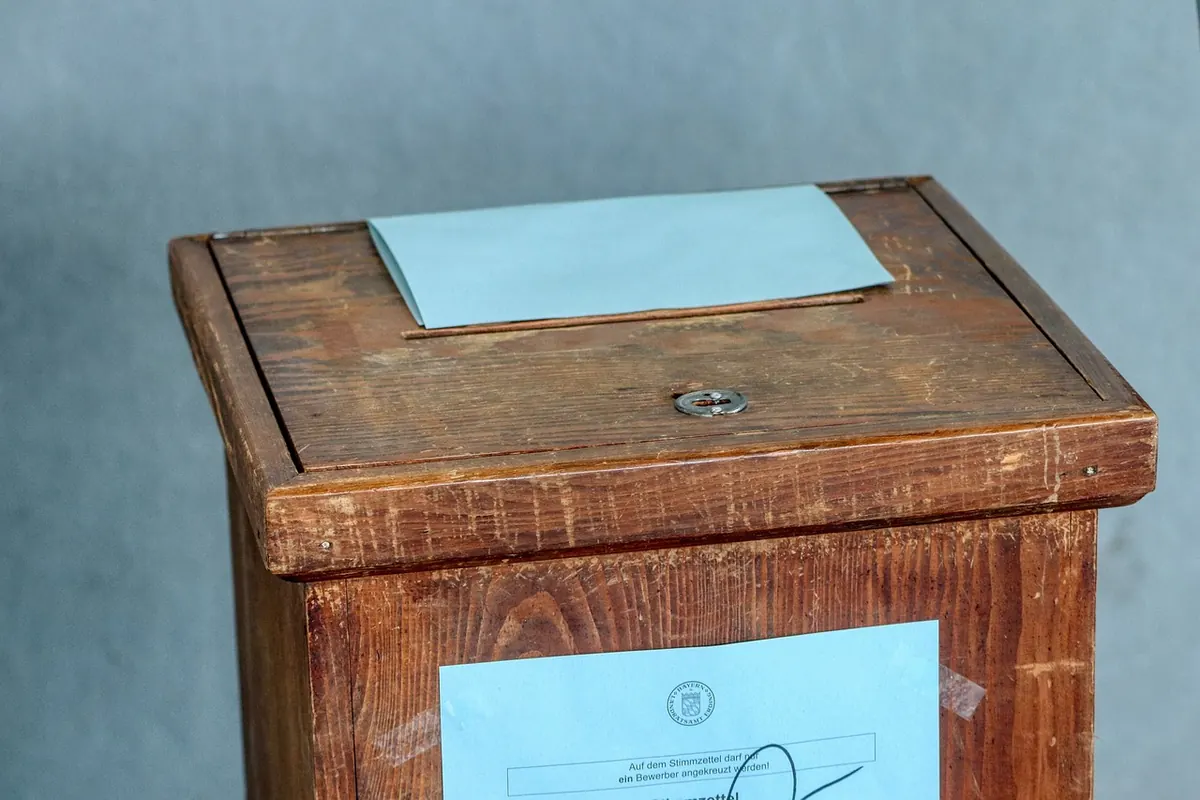
Everything Bury voters need before polling day: registration deadlines, photo ID rules, postal and proxy votes, and...

A practical comparison of Bury's leisure centres, covering membership models, pool and class timetables, and when...

Local news and community stories from Bury.