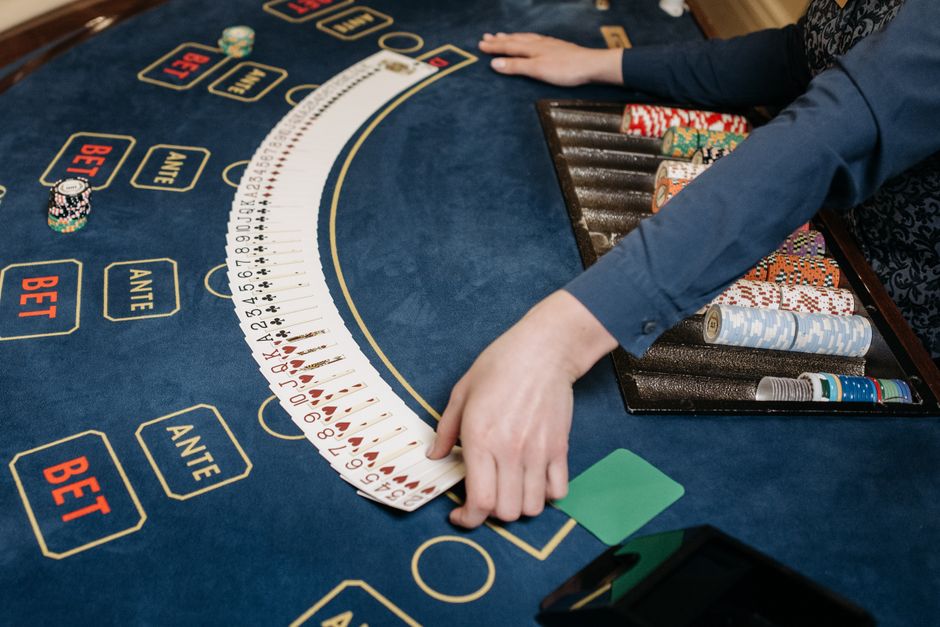
Ask ten casino players why they keep coming back and you'll get ten different answers. The thrill of a river card. The near-miss on a bonus wheel. The quiet math of a poker table where the fish finally pays off. But ask them why they lose, and most will shrug. The truth is neither mysterious nor cruel: the games are built to win, slowly, over thousands of spins and hands. Understanding that reality is the first step toward playing smarter, longer, and with your eyes open.
This isn't a lecture about quitting. It's a look at how the modern iGaming ecosystem actually works—slots, table games, sports betting, and poker—and where a sharp player can still find edges.
Every regulated casino game carries a mathematical advantage for the operator, known as the house edge. It's not a trick; it's the price of admission. The size of that edge varies wildly by game, and that variance is where smart players focus. This is explained well on สล็อต.
Notice the pattern. Games with a skill element reward preparation. Games with pure chance bury the edge in volatility. If you're going to spend an evening gambling, the difference between a 1% and a 6% edge is the difference between losing $10 and losing $60 on every $1,000 wagered. That compounds fast.
Return to player (RTP) tells you what a slot pays back over millions of spins—97% means the casino keeps 3%. But RTP alone is misleading. A slot with 96% RTP and low volatility will grind you down gently. A slot with the same RTP and extreme volatility might pay nothing for 400 spins, then dump a 5,000x win. Same math, completely different experience.
Practical takeaway: match the slot to your bankroll. If you're playing with $50, a high-volatility Megaways title will likely eat you alive before the bonus lands. Low-volatility games stretch your session and let you actually enjoy the mechanics.
Sports betting is the one vertical where a disciplined, informed player can genuinely outperform the closing line. Not consistently for everyone—bookmakers are sharp—but the market is not perfectly efficient. That's why line shopping exists.
Consider a simple example. You want to bet on an NBA game where the moneyline sits at -110 on both sides at most books. If one regulated sportsbook offers -105, you've just cut the vig from 4.76% to 2.38%. Over 200 bets, that difference is enormous. Professional bettors don't chase locks; they chase better prices on the same outcome.
Also worth noting: in-play betting has exploded, and live odds move fast. If you can react to a momentum shift before the algorithm reprices, you can find soft numbers. That window is shrinking, but it exists.
Poker is different from every other game on this list because you're not playing against the house—you're playing against other people. The rake is the house's cut, usually 5% capped at $3-$5 in low-stakes cash games. Beat the rake and the other players, and you profit. Lose to both, and you fund the ecosystem.
The modern online poker landscape is tougher than the boom years. Solvers, HUDs, and training sites have compressed the edge. But that doesn't mean the game is unbeatable. It means the easy money is gone and the remaining money goes to players who study.
Poker rewards patience and emotional control more than any single strategy chart. Tilt is the silent killer. A player who folds a bad beat and rebuys mentally is worth more than one who triple-barrels out of frustration.
Welcome bonuses look generous until you read the terms. A 100% match up to $500 with a 40x wagering requirement on slots means you need to bet $20,000 before withdrawing a cent. That's not free money—it's a commitment.
Before claiming any offer, check:
If a bonus ties up your bankroll and forces you into games you don't enjoy, skip it. The best bonus is the one you'll actually clear without changing how you play.
iGaming isn't rigged in the sense that outcomes are predetermined—licensed casinos use certified random number generators and audited payout percentages. But it is designed to win over time, and that's a feature, not a bug. The players who last are the ones who treat gambling as entertainment with a cost, not as an income strategy.
Pick games with lower edges. Shop your lines. Study your poker ranges. Read the bonus terms. Set a loss limit before you log in, and treat it as a hard line, not a suggestion. Do that, and you'll get more out of the experience than the vast majority who chase the jackpot and wonder why it never comes.

Somewhere in a cramped apartment, six people are playing the same slot game on six identical laptops. They aren't...
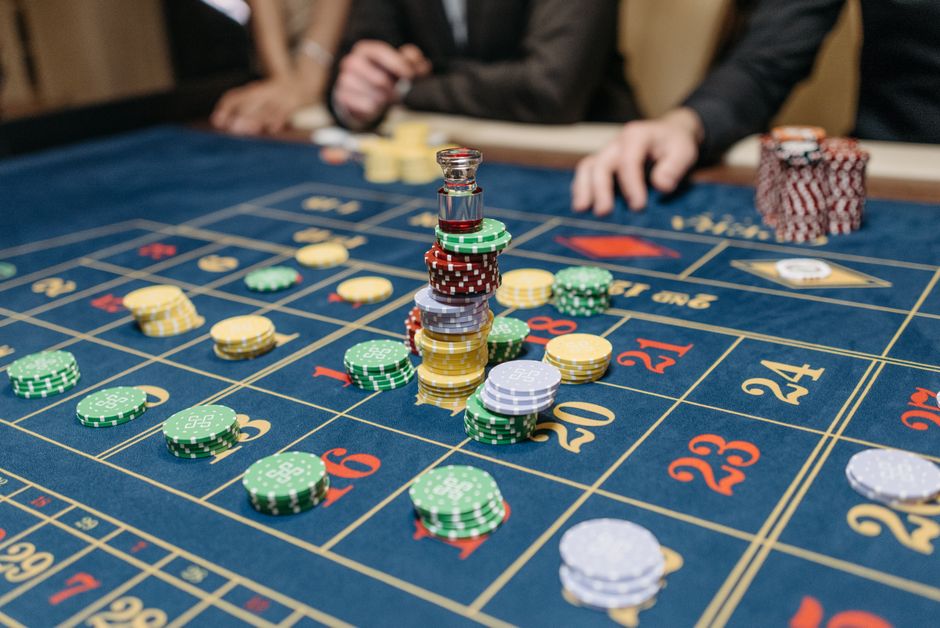
Two players sit down at identical £1 stakes on the same slot. One spins for forty minutes and walks away up £200....

Bury's town centre has plenty of coffee but too little variety. Real recovery needs independents, an evening economy...

Local news and community stories from Bury.
