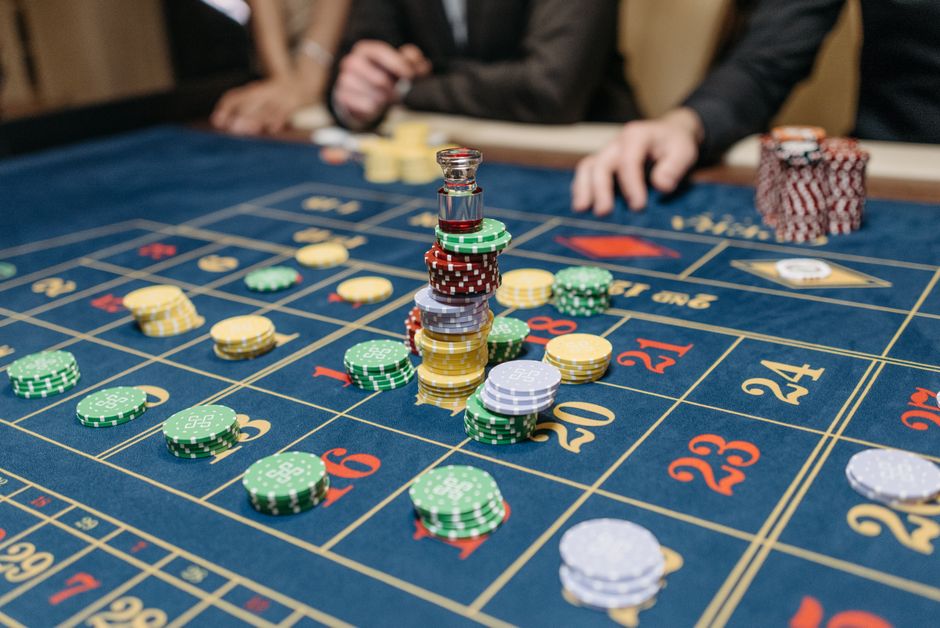
Two players sit down at identical £1 stakes on the same slot. One spins for forty minutes and walks away up £200. The other busts in twelve. Same game, same stake, wildly different outcomes—and it isn't just luck. It's volatility, the single most misunderstood force in casino gaming. Walk into any poker room or open any betting app and you'll hear talk of odds, edge, and variance, but slots players often ignore the one number that should shape every decision they make. Get volatility wrong and no bankroll management plan on earth will save you.
Every slot has a payout distribution. Some games dribble out frequent small wins; others sit silent for hundreds of spins before detonating a huge payout. That distribution is volatility, and it's mathematically separate from return to player (RTP).
This trips people up constantly. A slot with 96% RTP and high volatility will pay back the same percentage over millions of spins as a 96% RTP low-volatility game—but the journey looks nothing alike. RTP tells you the long-run destination. Volatility tells you how bumpy the road is and whether you'll survive to reach it.
Consider two real archetypes. Starburst behaves like a low-volatility machine: small, frequent returns, rarely more than 10–20× your stake. Money Train by Relax Gaming is the opposite—long dead spells punctuated by bonus rounds capable of 10,000× or more. Playing both with the same £50 bankroll at £1 spins is a categorically different experience.
Most operators and review sites bucket slots into three rough bands:
Here's the practical rule that experienced players internalise: high volatility doesn't just mean bigger swings—it means a higher probability of losing your entire session bankroll before a single significant win arrives. If you deposit £40 on a 10/10 volatility slot at £1 spins, you have roughly 40 chances. A game that can go 400 spins cold will eat that alive.
You rarely have to guess. Do this before committing real money:
One caveat: demo play reflects real randomness on the same RNG, but short samples prove little. Use it to feel the pacing, not to "predict" a hot streak. That's the gambler's fallacy wearing a lab coat. Anyone weighing up options should see L'Avenue Dubai.
This is where volatility becomes money in your pocket—or out of it. A workable starting formula for slots:
Session bankroll = spins you need × stake. Then adjust for volatility.
A concreal example: you have £100 and want to chase a 10,000× jackpot on a high-volatility slot. At £1 per spin, 100 spins is statistically thin—most players bust. Drop to £0.20 per spin and you get 500 spins, dramatically improving your odds of seeing the feature. Same game, same jackpot, five times the staying power. The stake you choose changes everything.
This isn't a slots-only concept. In poker, tournament play is high variance—you can play perfectly and bust on a coin flip—while cash games are lower variance and reward consistent edge. A sports bettor backing 1.20 favourites is playing low volatility; one hammering 8.00 underdogs is chasing high variance in search of a bigger ROI.
Smart bankroll management across all iGaming verticals follows one principle: your risk per event should match your available capital and your tolerance for drawdowns. The slots player who drops £50 on one spin of a high-volatility game is committing the same error as a poker player who buys into a tournament for half their roll. You can be right and still go broke.
Volatility is not a warning label—it's a dial you get to choose. The game doesn't owe you a bonus round just because you've spun 200 times without one; that's exactly how high-volatility slots are designed and priced. What you can control is whether your bankroll and stake give you a realistic number of shots, and whether you pick a game whose rhythm matches why you're playing. Want a long, social, low-stress session? Low volatility. Chasing a headline jackpot and prepared to lose the session for a slim shot at glory? High volatility, smaller stake, bigger bankroll. Match the machine to your money and your mood, and the swings stop being surprises and start being strategy.
Ask ten casino players why they keep coming back and you'll get ten different answers. The thrill of a river card....
Somewhere in a cramped apartment, six people are playing the same slot game on six identical laptops. They aren't...

Bury's town centre has plenty of coffee but too little variety. Real recovery needs independents, an evening economy...

Local news and community stories from Bury.
